
Vitamin D, often dubbed the “sunshine vitamin,” plays a pivotal role in our overall well-being. From bone health to immune function and beyond, its importance cannot be overstated. However, in today’s world, vitamin D deficiency has become increasingly common, affecting a substantial portion of the population. Let’s understand why it’s vital, sources of this crucial vitamin, and how to optimize its absorption.

Importance of Vitamin D:
1. Bone Health: Vitamin D is essential for the absorption of calcium, crucial in building and maintaining strong bones and teeth.
2. Immune Function: It bolsters the immune system, aiding in defense against infections and supporting overall immune function.
3. Mood Regulation: There’s evidence linking vitamin D to mood regulation, with adequate levels potentially playing a role in mental health.
Why Vitamin D Deficiency is Rampant:
1. Lack of Sun Exposure: Modern lifestyles often mean less time outdoors, reducing exposure to sunlight, the primary source of vitamin D.
2. Limited Dietary Sources: Few foods naturally contain vitamin D, and many people don’t consume enough of these sources regularly.
3. Skin Tone and Location: Darker skin tones absorb less sunlight, making individuals with such skin more prone to deficiency. Additionally, geographic locations farther from the equator receive less sunlight, impacting vitamin D synthesis. Excess usage of sunscreen has also found to obstruct absorption of vitamin D.

Best Sources of Vitamin D:
1. Sunlight: A mere 10-15 minutes of sunlight on exposed skin a few times a week can help the body produce vitamin D.
2. Fatty Fish: Salmon, mackerel, and tuna are rich sources of vitamin D.
3. Fortified Foods: Some dairy products, orange juice, cereals, and plant-based milk alternatives are fortified with vitamin D.
Enhancing Vitamin D Absorption:
1. Nutrients Aiding Absorption:
- Calcium: Works hand in hand with vitamin D for bone health.
- Magnesium: Supports vitamin D activation and absorption. Magnesium Matters: Magnesium is a cofactor in Vitamin D metabolism.
- Vitamin K: Helps regulate calcium balance, aiding vitamin D’s effects on bones.
2. Factors Hindering Absorption:
- Sunscreen: While important for skin protection, high SPF sunscreen can limit vitamin D synthesis.
- Obesity: Higher body fat can trap vitamin D, making it less available for use in the body.
Tips to Boost Vitamin D Levels:
- Get Sun Exposure: Aim for brief, unprotected sun exposure when safe, but avoid overexposure and burning.
- Dietary Changes: Include more vitamin D-rich foods like fatty fish, egg yolk and fortified products in your meals.
- Pair with Healthy Fats: Vitamin D is fat-soluble, so consuming it with healthy fats, like those found in avocados or nuts, enhances absorption
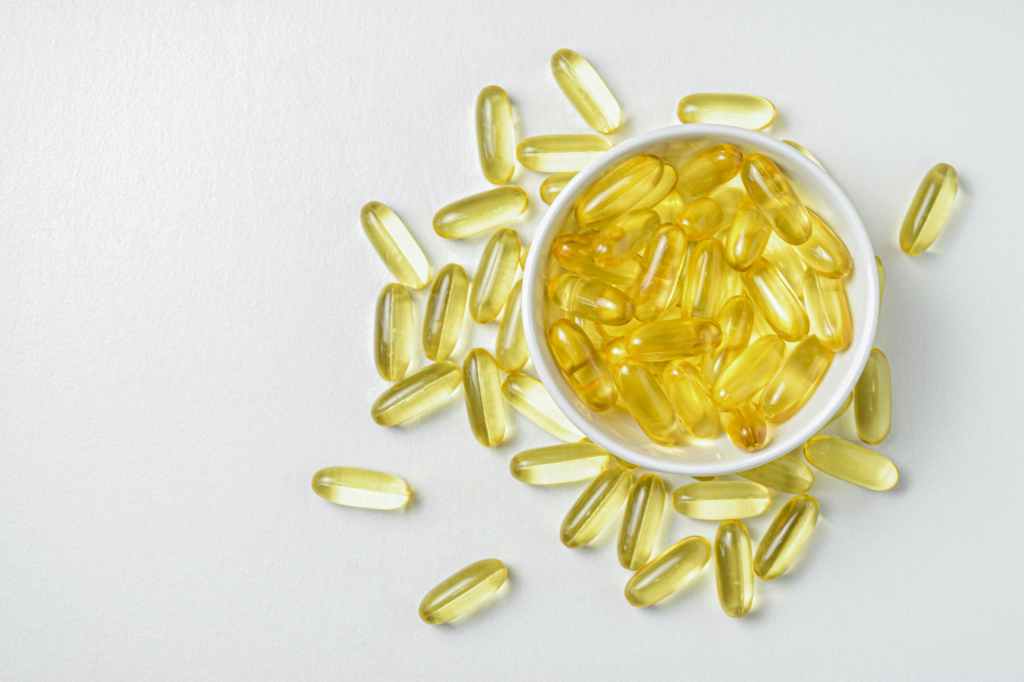
- Supplementation: Consult a healthcare professional for guidance on vitamin D supplements if needed.
Conclusion:
Vitamin D is not just a nutrient; it’s a crucial component for our vitality. While deficiency is common, awareness and simple lifestyle adjustments can pave the way for optimal vitamin D levels. From embracing sunlight in moderation to enriching our diets, taking steps to ensure sufficient vitamin D can be a sunshine-filled path toward improved health and well-being.
 MINDFUL EVERYDAY