

Estrogen is a key hormone in the human body, playing a vital role in both males and females. It belongs to a group of hormones known as sex hormones, and while it is more prominent in females, males also produce estrogen in smaller amounts. Let’s delve into what estrogen is, its importance, and how it influences our physical and emotional health.

What is Estrogen?
Estrogen is a hormone that is primarily produced in the ovaries in females and in smaller quantities in the testes in males. Additionally, adrenal glands and fat tissues also contribute to estrogen production. There are three main types of estrogen: estrone, estradiol, and estriol, with estradiol being the most potent and prevalent form in premenopausal females.
Importance of Estrogen:
- Development of Female Reproductive Organs:
- In females, estrogen is crucial for the development and maintenance of the reproductive organs, including the uterus, fallopian tubes, and vagina.
- Menstrual Cycle Regulation:
- Estrogen plays a central role in regulating the menstrual cycle. It promotes the growth and maturation of the egg-containing follicles in the ovaries.
- Bone Health:
- Estrogen contributes to the maintenance of healthy bones by aiding in the absorption of calcium and other minerals. It helps prevent bone loss and reduces the risk of osteoporosis.
- Cardiovascular Health:
- Estrogen is believed to have a protective effect on the cardiovascular system. It helps maintain healthy blood vessels and may contribute to lower levels of LDL cholesterol (the “bad” cholesterol).
- Maintenance of Vaginal Tissues:
- Estrogen helps maintain the health and thickness of the vaginal lining. It also contributes to the production of vaginal mucus, which is important for sexual health.
- Breast Development and Function:
- During puberty, estrogen plays a key role in the development of breast tissue. It also supports the function of the mammary glands during pregnancy and breastfeeding.
- Regulation of Mood and Emotional Well-being:
- Estrogen influences neurotransmitters in the brain, such as serotonin and dopamine, which play a role in mood regulation. Fluctuations in estrogen levels can affect emotional well-being and may contribute to conditions like premenstrual syndrome (PMS).
- Support for the Immune System:
- Estrogen has immunomodulatory effects, meaning it can influence the activity of the immune system. It may enhance immune responses and contribute to overall immune system function.
- Metabolism and Weight Regulation:
- Estrogen can influence metabolism and body fat distribution. Changes in estrogen levels may impact weight gain and fat storage.
- Reproductive System Maintenance in Males:
- While estrogen is more prominent in females, males also produce small amounts of estrogen. In males, estrogen is involved in the regulation of sperm production, bone health, and overall reproductive function.
It’s important to note that maintaining a balance in estrogen levels is crucial for optimal health. Too much or too little estrogen can lead to various health issues, emphasizing the significance of hormonal balance in the human body.
Effects of High and Low Estrogen Levels:
High Estrogen Levels:
- In females, high estrogen levels might lead to irregular menstrual periods, weight gain, mood swings, and breast tenderness.
- In males, elevated estrogen levels can cause issues like infertility, gynecomastia (enlargement of breast tissue), and erectile dysfunction.
Low Estrogen Levels:
- In females, low estrogen levels can result in irregular or absent periods, hot flashes, vaginal dryness, and increased risk of osteoporosis.
- In males, decreased estrogen levels may lead to decreased libido, fatigue, and potential bone density loss.

Food Sources to Maintain Healthy Estrogen Levels:
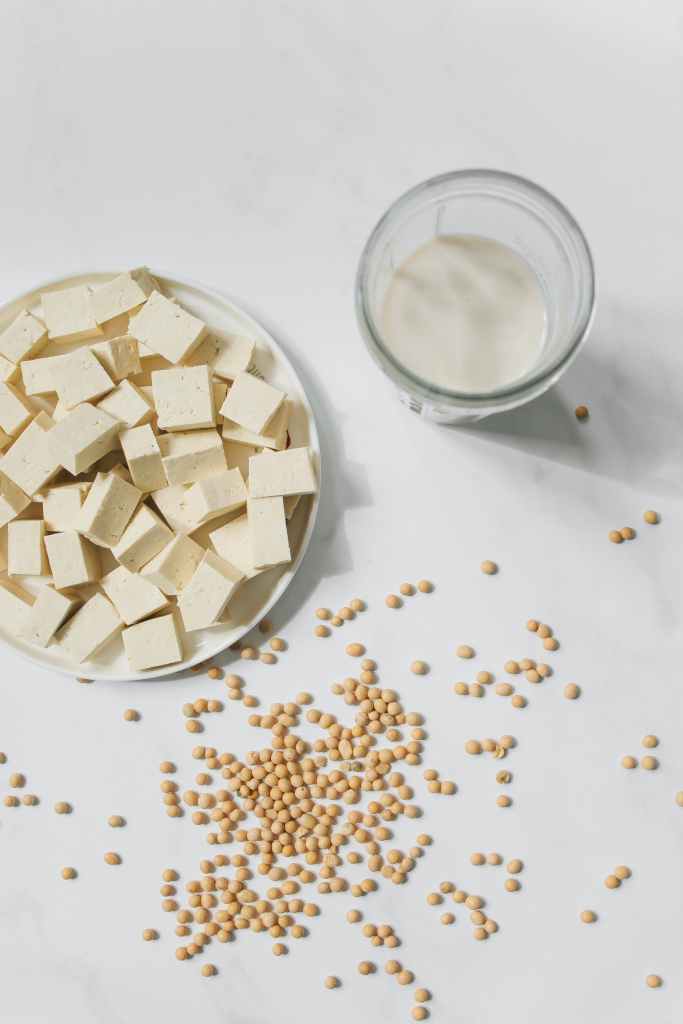
- Soy Products: Tofu, soy milk, and edamame contain phytoestrogens, which mimic the effects of estrogen in the body.
- Flaxseeds: Rich in lignans, which have estrogenic properties.
- Whole Grains: Brown rice, quinoa, and oats can contribute to healthy estrogen levels.
- Cruciferous Vegetables: Broccoli, cauliflower, and Brussels sprouts contain compounds that help regulate estrogen metabolism.
- Fruits: Berries, citrus fruits, and apples provide antioxidants and fiber that support hormonal balance.

Lifestyle Choices for Healthy Estrogen Levels:
1. Regular Exercise: Engaging in physical activity helps regulate hormone levels, including estrogen. Both aerobic and resistance exercises are beneficial.
2. Manage Stress: Chronic stress can affect hormone levels. Practices like meditation, yoga, or deep breathing exercises can help manage stress levels.
3. Maintain a Healthy Weight: Excess body fat can lead to higher estrogen levels. Strive for a balanced diet and regular exercise to maintain a healthy weight.
4. Limit Exposure to Endocrine Disruptors: Chemicals in certain products can interfere with hormone balance. Try to limit exposure to pesticides, plastics, and certain cosmetics.
Understanding estrogen’s significance and how it influences the body highlights the importance of maintaining balanced levels for overall health and well-being. A combination of a healthy diet, regular exercise, stress management, and avoiding endocrine disruptors can contribute to achieving and maintaining optimal estrogen levels. Always consult with a healthcare professional for personalized guidance regarding hormone balance and health management.
 MINDFUL EVERYDAY