

Probiotics is a name that is often heard when there are talks about choosing healthy eating habits. These tiny microorganisms, often referred to as “good bacteria,” play a crucial role in maintaining a healthy balance within our bodies. From supporting digestion to boosting the immune system, probiotics contribute significantly to the overall well-being of individuals across different age groups and genders.
Understanding Probiotics:
Probiotics are live microorganisms, predominantly bacteria and yeast, that give health benefits to their host when consumed in adequate amounts. The word “probiotic” is derived from the Latin words “pro” meaning “for” and “biota” meaning “life.” Unlike harmful bacteria, which can cause infections and disease, probiotics are instrumental in promoting a harmonious environment in our digestive system and beyond.

Contribution to Health Across Age Groups:
- Infants and Children:
- Probiotics play a crucial role in the early development of a child’s immune system and digestive tract.
- They help prevent and alleviate common infant issues such as colic, diarrhea, and eczema.
- Promote the establishment of a healthy gut microbiota, influencing long-term health.
- Adolescents and Adults:
- Aid in the digestion and absorption of nutrients from food, ensuring optimal nutrient utilization.
- Contribute to the maintenance of a balanced gut microbiome, reducing the risk of gastrointestinal issues.
- Support immune function, helping the body defend against infections and illnesses.
- Elderly Individuals:
- Counteract age-related changes in the gut microbiota, promoting digestive health.
- May assist in preventing antibiotic-associated diarrhea and infections in the elderly.
- Support cognitive function and may have a positive impact on mental health.

Contribution to Gender-Specific Health:
- Women’s Health:
- Probiotics can help maintain a healthy balance of vaginal microflora, preventing and alleviating conditions like bacterial vaginosis and yeast infections.
- During pregnancy, probiotics may contribute to maternal and fetal well-being by supporting the immune system and preventing complications.
- Men’s Health:
- Probiotics may play a role in promoting prostate health and reducing the risk of certain urological conditions.
- Support overall immune function, contributing to a robust defense against infections.
Sources of Probiotics:
- Fermented Foods:
- Yogurt: Contains live cultures such as Lactobacillus and Bifidobacterium.
- Kefir: A fermented milk drink with a diverse range of probiotics.
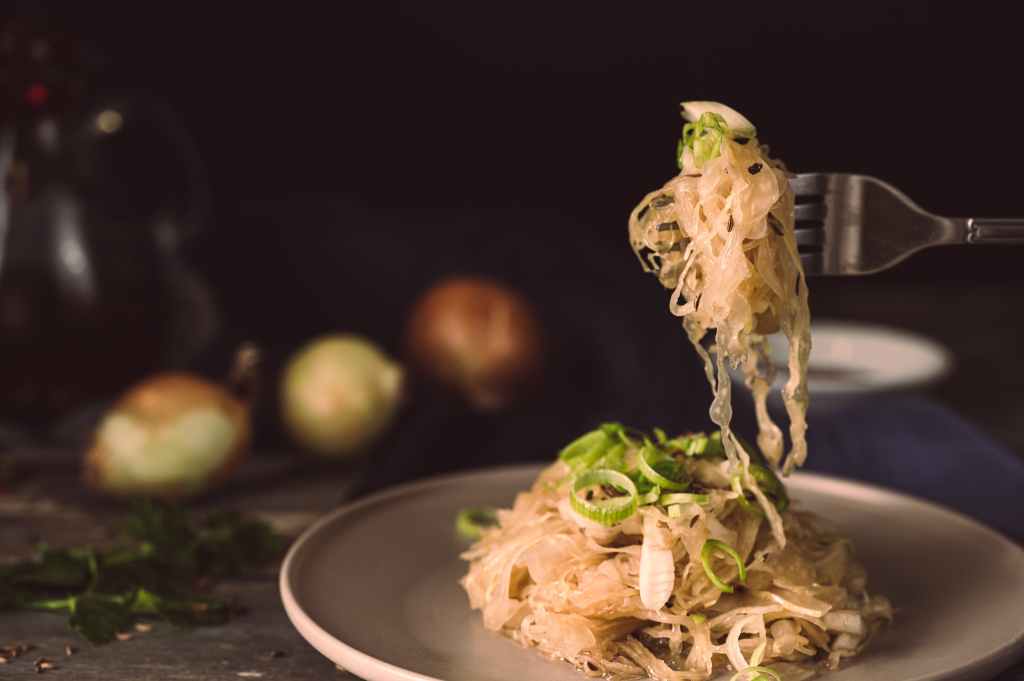
- Sauerkraut: Fermented cabbage rich in beneficial bacteria.
- Kimchi: Another source of good bacteria through fermented vegetables.
- Miso and Tempeh: These fermented soy products are rich in probiotics.
- Probiotic Supplements:
- Probiotic capsules and tablets are available, providing a convenient way to boost probiotic intake.
- Consultation with a healthcare professional is recommended before starting any supplementation.
In the journey towards optimal health, probiotics have established themselves as important contributors in the well-being of individuals across various age groups and genders. By understanding their role and incorporating probiotic-rich foods into our diet, we can foster a balanced and resilient internal environment, paving the way for a healthier, happier life. As with any health-related matter, it’s essential to consult with healthcare professionals for personalized advice and guidance.
 MINDFUL EVERYDAY