
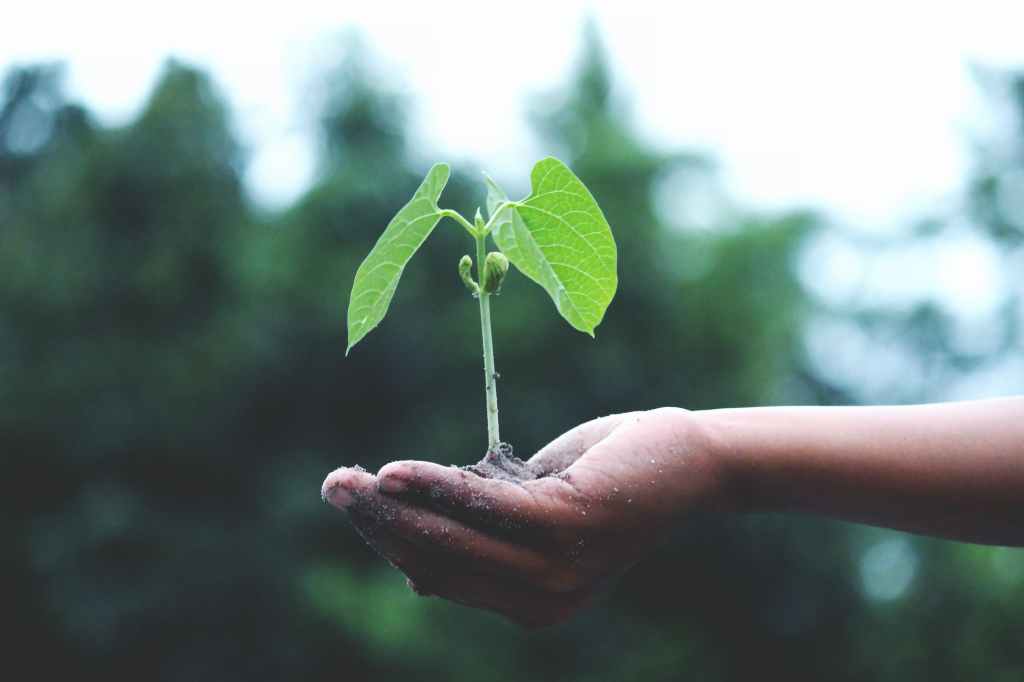
In the global pursuit of environmental sustainability, the term “carbon footprint” has emerged as a crucial concept. As discussions surrounding climate change intensify, understanding what a carbon footprint is and its impact on our lives and the planet becomes increasingly important. This article aims to demystify the concept, shed light on its significance, and provide practical tips for individuals to reduce their carbon footprints, with a special focus on the impact of food choices.
What is a Carbon Footprint?
A carbon footprint is the total amount of greenhouse gases, primarily carbon dioxide, and other carbon compounds that are emitted directly or indirectly by an individual, organization, event, or product throughout its life cycle. These emissions contribute to climate change by trapping heat in the Earth’s atmosphere, leading to global warming.
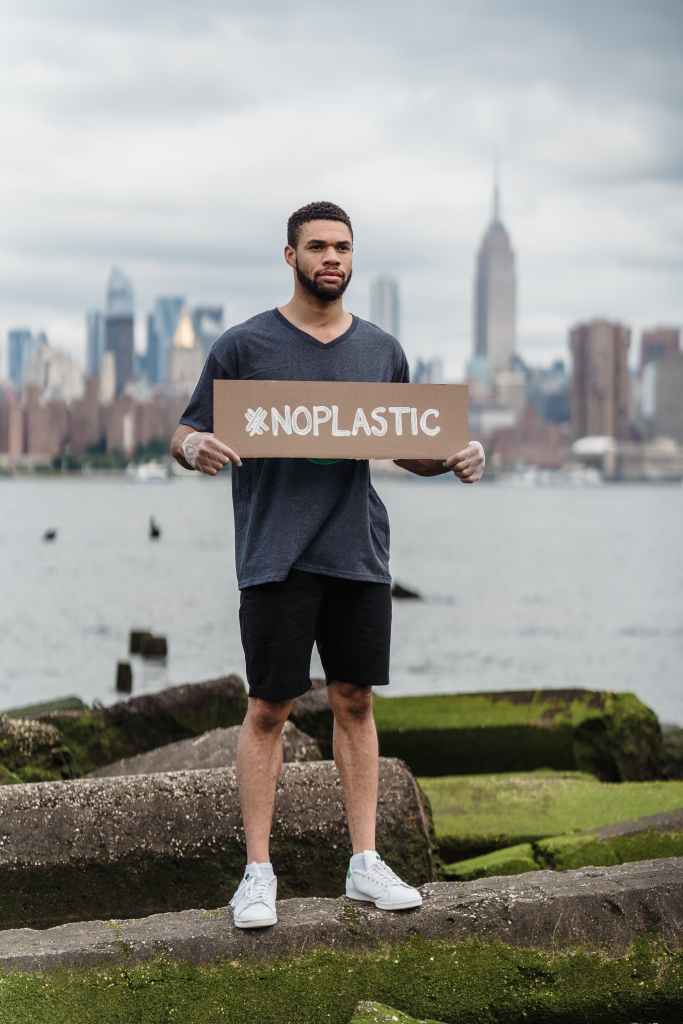
Impact on Our Lives and the World:
- Climate Change:
- Excessive carbon emissions intensify the greenhouse effect, leading to rising temperatures and climate-related challenges such as extreme weather events, sea-level rise, and disruptions to ecosystems.
- Resource Depletion:
- High carbon footprints often correlate with increased consumption of finite resources like fossil fuels, contributing to resource depletion and environmental degradation.
- Biodiversity Loss:
- Climate change and resource exploitation can threaten biodiversity, impacting ecosystems and the delicate balance of our planet’s flora and fauna.
Reducing Carbon Footprints: Simple Ways to Make a Big Impact
- Energy Efficiency:
- Use energy-efficient appliances and light bulbs.
- Opt for renewable energy sources like solar or wind power when possible.
- Sustainable Transportation:
- Choose public transportation, carpooling, biking, or walking.
- Consider electric or hybrid vehicles.
- Waste Reduction:
- Recycle and compost to reduce landfill waste.
- Choose products with minimal packaging.
- Water Conservation:
- Fix leaks and use water-saving appliances.
- Be mindful of water usage in daily activities.
- Eco-friendly Lifestyle:
- Purchase sustainable and locally-produced goods.
- Support companies with transparent and environmentally friendly practices.

Food Choices and Carbon Footprints:
- Plant-Based Diet:
- Reduce meat consumption, especially red and processed meats.
- Embrace plant-based alternatives to lower the carbon footprint associated with livestock farming.
- Local and Seasonal Produce:
- Choose locally sourced and seasonal fruits and vegetables to reduce transportation-related emissions.
- Support local farmers and markets.
- Minimize Food Waste:
- Plan meals, store food properly, and repurpose leftovers.
- Compost organic waste.
- Mindful Eating:
- Be conscious of food choices and their environmental impact.
- Explore sustainable food production methods.
Understanding and actively working to reduce our carbon footprints is an integral part of the collective effort to address climate change and create a sustainable future. Every individual has the power to make a positive impact through simple lifestyle choices, from energy-efficient practices to mindful food consumption. By adopting environmentally conscious habits, we contribute to the well-being of our planet and ensure a healthier, more sustainable future for generations to come.
 MINDFUL EVERYDAY