
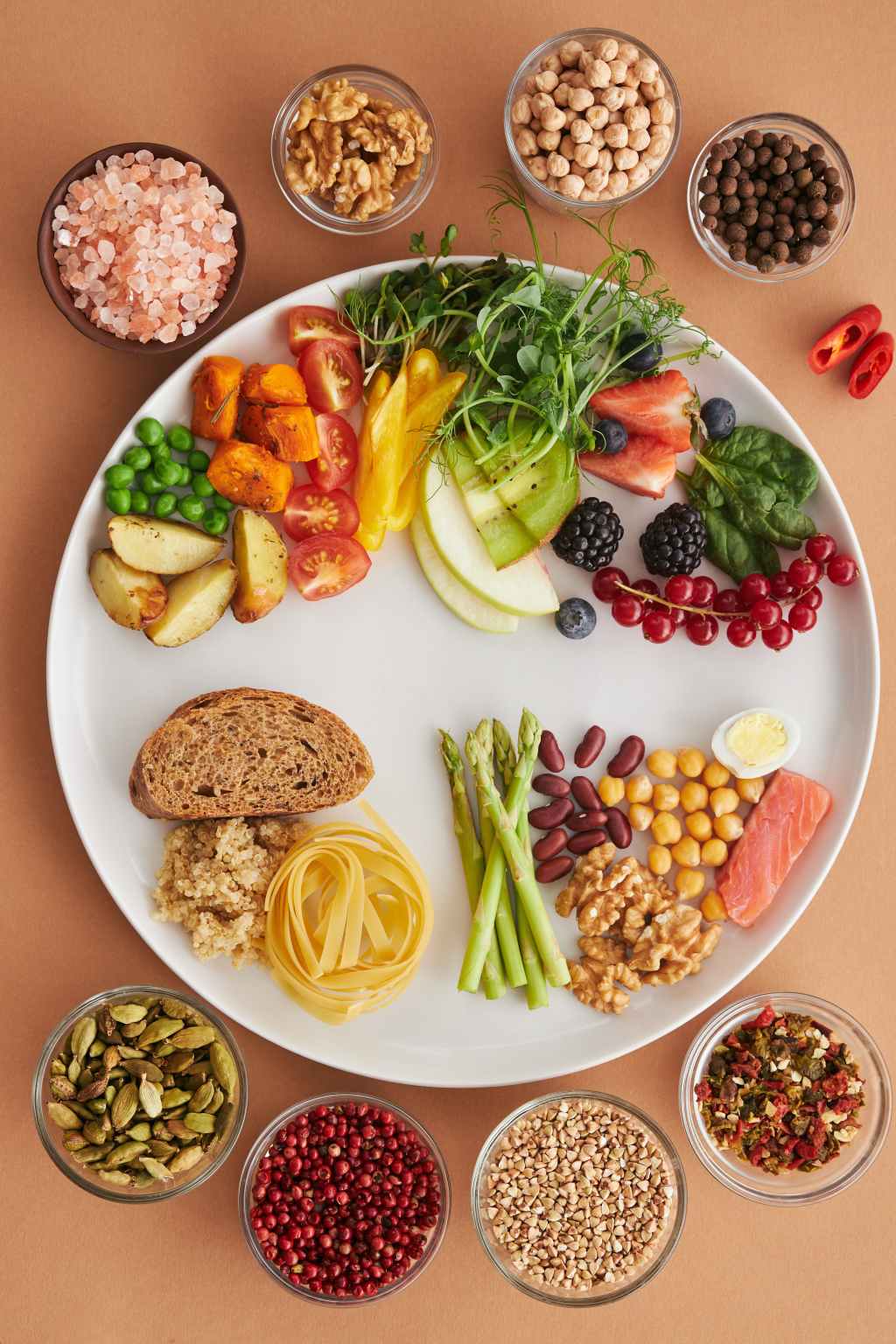
Minerals are indispensable for our overall well-being, contributing to various physiological functions in the body. However, the way we consume minerals—considering factors such as timing, accompanying foods, and potential inhibitors—can significantly influence their absorption and utilization. For the same reason, this article explores the art of optimizing mineral intake for better absorption and digestion.
Factors Enhancing Mineral Absorption:
- Vitamin Pairing: Certain minerals benefit from the presence of specific vitamins to enhance absorption. For example: Vitamin D facilitates the absorption of calcium and phosphorus, Vitamin C enhances the absorption of non-heme iron from plant-based sources.
- Balanced Diet: Consuming a well-rounded, diverse diet ensures that the body receives an array of minerals. Different minerals often work synergistically, and a balanced diet provides the necessary co-factors for optimal absorption.
- Amino Acids: Amino acids, the building blocks of proteins, can aid in the absorption of minerals like zinc. Including a variety of protein sources in the diet ensures a sufficient intake of these amino acids.
- Healthy Fats: Some minerals, like vitamin K and fat-soluble vitamins (A, D, E, K), benefit from the presence of dietary fats for improved absorption. Including sources of healthy fats, such as avocados, nuts, and olive oil, can enhance the absorption of fat-soluble minerals.
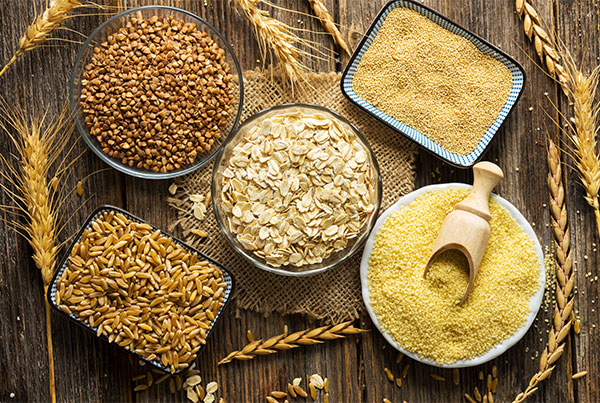
- Cooking Techniques: Proper cooking methods can impact mineral bioavailability. For instance, soaking, sprouting, or fermenting grains and legumes can reduce phytates, aiding in better mineral absorption.
Factors Inhibiting Mineral Absorption:
- High-Fiber Foods:
- High-fiber diets, while generally beneficial, can interfere with the absorption of minerals like calcium, iron, magnesium, and zinc. Consuming high-fiber foods and minerals at separate meals or choosing low-oxalate and low-phytate sources can help mitigate this effect.
- Calcium and Iron Interaction:
- Calcium competes with iron for absorption. While both minerals are essential, it’s advisable to avoid consuming calcium-rich foods or supplements at the same time as iron-rich sources to optimize iron absorption.
- Tannins and Phytates:
- Tannins in tea and coffee, as well as phytates in whole grains and legumes, can inhibit the absorption of minerals like iron and zinc. Separating the consumption of these substances from mineral-rich meals can mitigate their impact.
- Excessive Oxalates:
- Foods high in oxalates, such as spinach, rhubarb, and beet greens, can bind with minerals like calcium, forming insoluble compounds that hinder absorption. Moderating the intake of high-oxalate foods is advisable.
Maximizing mineral absorption is more than just including them in our diet or through supplements. Understanding how to pair minerals with supportive nutrients, maintaining a balanced diet, considering cooking techniques, and being mindful of inhibitors are crucial for optimal mineral absorption. For example, proper stomach acid levels and digestive enzymes are crucial for mineral absorption. Adequate stomach acid aids in the absorption of minerals like magnesium, zinc, and calcium. Developing an understanding of these basic concepts can play an important role in helping us maintain our health by making the right food choices.
 MINDFUL EVERYDAY