
As parents, we’ve all been there – witnessing our toddler’s meltdown in the middle of the grocery store or experiencing their outburst over seemingly minor issues at home. These moments can be challenging and overwhelming, leaving us feeling lost and frustrated. However, it’s important to recognize that behind these tantrums lie big emotions that our little ones are struggling to express.
Child psychologists such as Shefali Tsabary, Dr. Vanessa Lapointe, and Dr. Ishinna B. Sadana shed light on the inner world of toddlers and offer valuable insights into understanding and managing their emotions.
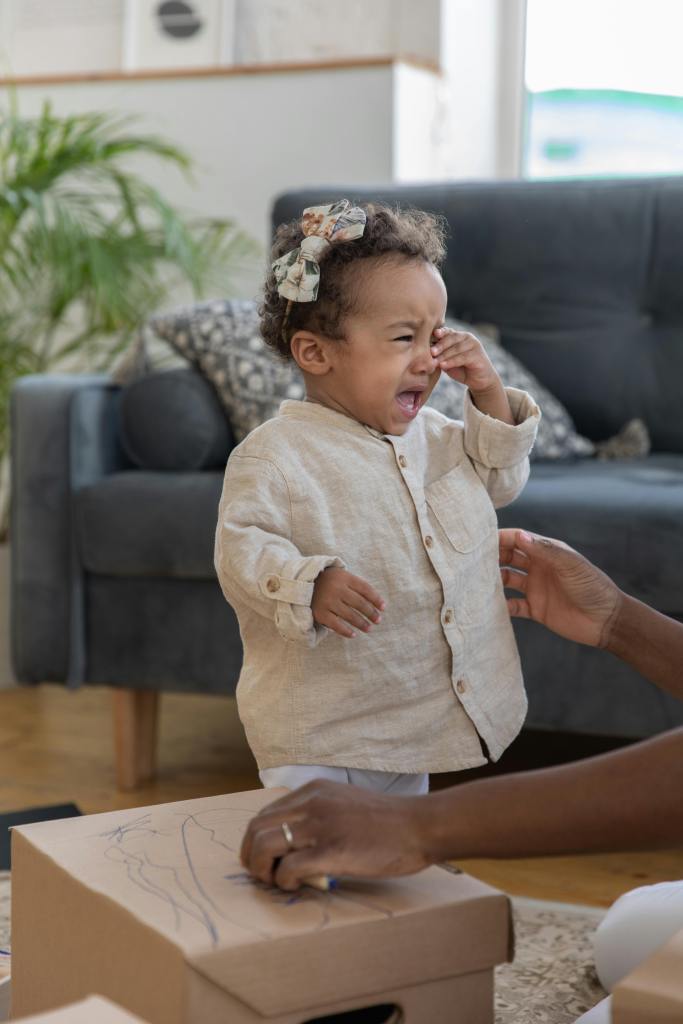
The Toddler’s Perspective:
Imagine being a toddler – a world filled with big emotions but lacking the vocabulary to articulate them. Toddlers experience a whirlwind of feelings – from frustration and disappointment to excitement and joy. They are navigating a world that is still new and overwhelming, trying to make sense of their emotions and surroundings.
Dr. Shefali Tsabary emphasizes the importance of recognizing that our toddlers are individuals with their own unique thoughts and feelings. They may feel powerless and overwhelmed by their emotions, leading to outbursts and tantrums as their way of communicating their needs.
Understanding the Triggers:
Toddlers’ tantrums often stem from a variety of triggers, including hunger, fatigue, overstimulation, or feeling misunderstood. Dr. Vanessa Lapointe highlights the role of the toddler’s developing brain, which is still learning to regulate emotions and navigate social interactions. Toddlers lack the cognitive skills to process their feelings and often resort to tantrums as a means of releasing pent-up emotions.
Dr. Ishinna B. Sadana emphasizes the importance of identifying common triggers for tantrums and addressing them proactively. By recognizing the signs of fatigue or hunger, parents can intervene before emotions escalate, offering comfort and support to their child.

Empathetic Parenting:
In moments of tantrums and meltdowns, it’s crucial for parents to approach their child with empathy and understanding. Dr. Shefali Tsabary advocates for conscious parenting – being present with our children and validating their emotions, even when they seem irrational to us.
Instead of reacting with frustration or anger, take a moment to pause and empathize with your child’s feelings. Acknowledge their emotions and reassure them that it’s okay to feel upset or angry. Dr. Vanessa Lapointe encourages parents to create a safe space for their child to express themselves without fear of judgment or punishment.

Effective Strategies for Calming Tantrums:
Parenting Coaches suggest several strategies for de-escalating tantrums and helping toddlers regulate their emotions:
- Stay Calm: Remember to stay calm and composed, modeling positive behavior for your child.
- Validate Feelings: Acknowledge your child’s emotions and let them know that you understand how they’re feeling.
- Offer Comfort: Provide physical comfort by offering hugs or gentle touch, reassuring your child that they are loved and safe.
- Redirect Attention: Distract your child with a favorite toy or activity to shift their focus away from the source of frustration.
- Set Limits: While validating emotions, it’s important to set clear and consistent boundaries, teaching your child appropriate ways to express themselves.
Conclusion:
Parenting a toddler comes with its unique set of challenges, but it’s also a journey filled with love, joy, and growth. By understanding the underlying emotions driving their behavior and responding with empathy and patience, we can help our children navigate their emotions and build essential skills for healthy emotional development.
As Dr. Shefali Tsabary beautifully articulates, “Parenting is about raising the parent that we need to be, not the child we need to create.” Let us approach each tantrum with compassion and understanding, knowing that we are helping our children grow into resilient and emotionally intelligent individuals.

