
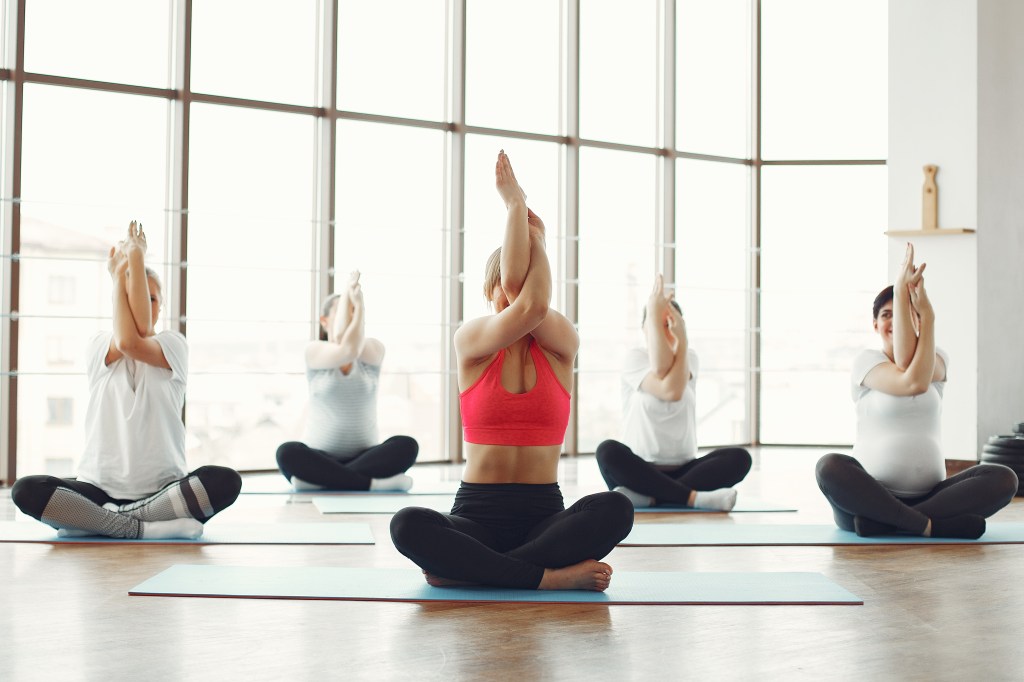
In the field of health and fitness, a term gaining popularity but often overlooked is “bio-individuality.” This concept recognizes the uniqueness of each individual’s biology and highlights the importance of tailoring health and fitness choices to meet specific, personalized needs. Understanding bio-individuality is not only crucial but empowering on our journey towards optimal well-being.

What is Bio-Individuality?
Bio-individuality acknowledges that each person is biochemically distinct, with their own set of genetic makeup, metabolism, and responses to external factors. It underscores the idea that what works wonders for one individual may not yield the same results for another. This term encompasses a holistic approach to health, recognizing the intricate interplay of genetics, environment, lifestyle, and personal preferences.
The Impact on Nutrition:
- Dietary Needs:
- Bio-individuality challenges the one-size-fits-all approach to nutrition. It emphasizes the importance of understanding how our bodies uniquely respond to different foods. For instance, some individuals thrive on a higher protein intake, while others may feel better with a more plant-based diet.
- Food Sensitivities:
- Recognizing bio-individuality sheds light on the prevalence of food sensitivities. While one person might flourish with dairy, another might experience discomfort. Identifying and respecting these differences can lead to more tailored and sustainable dietary choices.
- Metabolic Variations:
- Metabolic rates differ among individuals, impacting how efficiently the body processes and utilizes nutrients. Understanding these variations allows for personalized approaches to weight management and energy balance.
The Role in Fitness:
- Exercise Preferences:
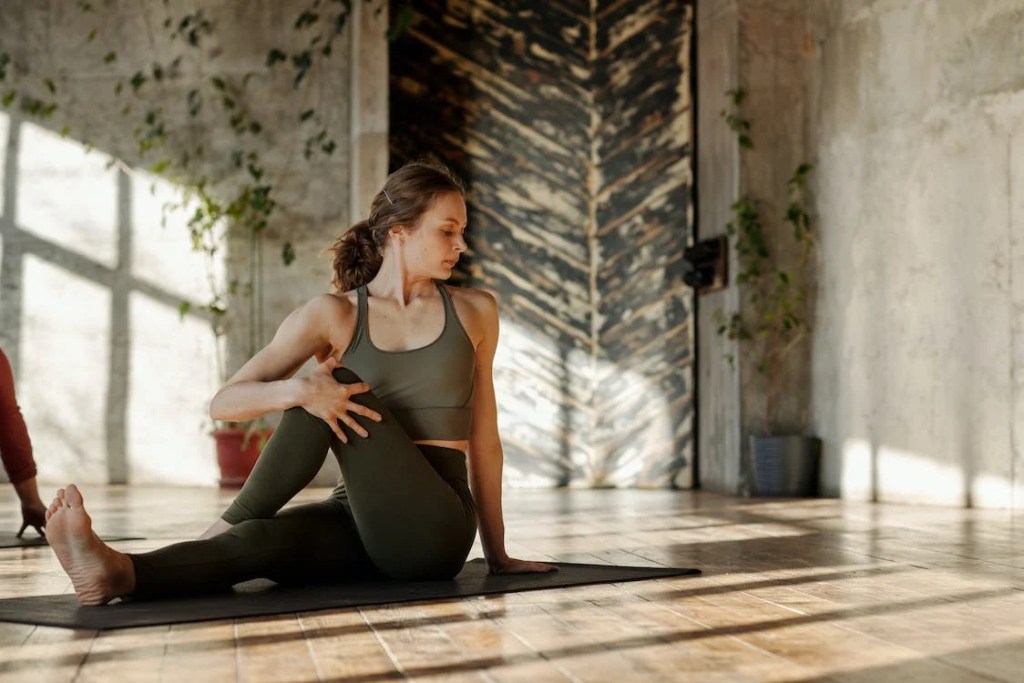
- Bio-individuality extends to exercise preferences. Some individuals may thrive in high-intensity workouts, while others find solace in activities like yoga or walking. Tailoring fitness routines to individual preferences promotes consistency and long-term adherence.
- Recovery Needs:
- Recovery requirements vary from person to person. Factors such as sleep patterns, stress levels, and overall lifestyle contribute to individualized recovery needs. Recognizing and addressing these factors enhances the effectiveness of fitness regimens.
Making Lifestyle Choices:
- Sleep Patterns:
- Bio-individuality acknowledges the diverse sleep needs of individuals. While some thrive on seven hours of sleep, others may require more or less. Understanding one’s unique sleep patterns can positively impact overall health.
- Stress Management:
- Stress affects everyone differently. Bio-individuality emphasizes the importance of identifying and adopting personalized stress management strategies, whether through meditation, hobbies, or other relaxation techniques.
Embracing bio-individuality is akin to unlocking the secrets of your own body’s unique code. It invites us to listen to our bodies, pay attention to how they respond to various stimuli, and make informed choices that align with our individual needs and preferences.
 MINDFUL EVERYDAY