

In recent years, there has been a surge in discussions surrounding gluten and its potential impact on health. For many, the decision to eliminate wheat roti and gluten from their diet has become a popular choice in pursuit of improved well-being. But what exactly is gluten, and what effects does it have on our bodies?

What is Gluten?
Gluten is a protein found in wheat, barley, rye, and their derivatives. It provides elasticity to dough, contributing to the structure of baked goods. Comprising two main proteins, glutenin and gliadin, gluten is the glue that gives bread its chewy texture and helps it rise during baking.
Characteristics of Gluten
- Elasticity: Gluten provides the stretchiness in dough, allowing it to rise and maintain its shape.
- Texture: It contributes to the chewiness of bread, pasta, and other baked goods.

Sources of Gluten
- Wheat: Found in bread, pasta, cereals, and baked goods.
- Barley: Present in malt, beer, and some cereals.
- Rye: Common in bread and certain cereals.
- Derivatives: Many processed foods, sauces, and condiments contain gluten as a thickening agent.
Potential Benefits of a Gluten-Free Diet
- Digestive Comfort: Some individuals report reduced bloating and digestive discomfort after eliminating gluten.
- Increased Energy: A gluten-free diet might enhance energy levels for those sensitive to gluten.
- Weight Management: Cutting gluten may help with weight loss for certain individuals.
Side Effects of Gluten Free Diet
- Nutrient Deficiency: Gluten-containing grains, such as wheat, barley, and rye, provide essential nutrients like fiber, B vitamins, and minerals. Gluten-free diets can lead to deficiencies in fiber, iron, calcium, and B-vitamins if not properly managed.
- Processed Food Pitfalls: Gluten-free products often substitute ingredients that may be high in sugar, unhealthy fats, and low in nutrients.
Why Limit Gluten?
Health experts may recommend limiting or omitting gluten for various reasons:
- Gluten Sensitivity: Some people experience symptoms like bloating, fatigue, and headaches without having celiac disease.
- Gluten Allergy: A gluten allergy triggers an immune response similar to other food allergies, leading to symptoms such as hives, difficulty breathing, and digestive problems.
- Celiac Disease: This is a severe autoimmune disorder wherein the ingestion of gluten leads to damage in the small intestine, affecting nutrient absorption and causing symptoms like diarrhea, abdominal pain, and fatigue.

If you are considering going Gluten Free:
- Consult a Professional: Before making significant dietary changes, seek guidance from a healthcare provider or a registered dietitian.
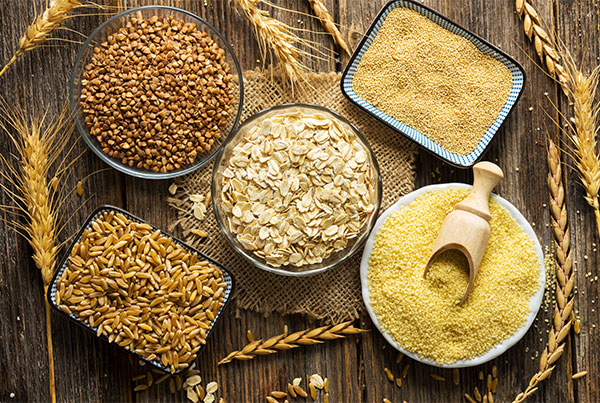
- Explore Alternatives: Plenty of gluten-free alternatives are available, including grains like quinoa, rice, corn, and gluten-free flours for baking.
Understanding gluten and its potential impact on health is crucial for making informed dietary choices. While for many, gluten poses no issues, others may experience adverse reactions. Remember, personalized health choices should align with individual needs and professional guidance, ensuring a diet that supports overall well-being while addressing specific health concerns.
 MINDFUL EVERYDAY